
Commercial Mold Remediation Services in Brookhaven, Doraville, Roswell, Sandy Springs & Dunwoody
Why Commercial Properties Are Vulnerable to Mold
If you’re searching for commercial mold remediation services, you’re likely concerned about protecting your business, employees, and clients. Commercial properties in Brookhaven, Doraville, Roswell, Sandy Springs, and Dunwoody often face high humidity, plumbing leaks, and HVAC system issues, all of which promote mold growth.
Mold in commercial spaces can damage:
Office walls and ceilings
Flooring and carpeting
HVAC systems
Furniture and inventory
Beyond property damage, mold can compromise indoor air quality, affecting employee health and productivity.
Common Moisture Sources in Commercial Buildings
Leaking roofs or skylights
Flooding or water intrusion
Plumbing failures
HVAC condensation
Improper drainage or gutter systems
Even minor leaks can lead to hidden mold growth behind walls or ceilings.
High-Risk Areas for Mold Growth
Mold commonly develops in:
Basements and storage areas
Restrooms and locker rooms
Kitchens and breakrooms
HVAC ductwork
Crawl spaces and attics
Early detection is critical to prevent expensive repairs.
Signs Your Commercial Property Needs Mold Remediation
Detecting mold early in commercial spaces is essential to protect health and assets.
Structural Indicators
Discoloration or stains on walls, ceilings, or flooring
Warping or sagging drywall
Peeling paint or wallpaper
Damp or musty odor
Air Quality & Employee Health Concerns
Mold may trigger:
Sneezing and coughing
Eye and skin irritation
Asthma flare-ups
Chronic fatigue or sinus congestion
Employee complaints about indoor air quality are a strong indicator of potential mold issues.
Professional Mold Inspection for Commercial Properties
Certified specialists conduct thorough inspections to identify contamination and prevent further spread.
Visual Assessment & Moisture Detection
Technicians check:
Walls, ceilings, and flooring
HVAC systems
Plumbing infrastructure
Roofs and skylights
Moisture meters and thermal cameras detect hidden damp areas.
Air Sampling & Surface Testing
Air samples compare spore concentrations indoors versus outdoors. Surface swabs identify mold type and severity, guiding a customized remediation plan.
Step-by-Step Commercial Mold Remediation Process
Certified commercial mold remediation follows a structured protocol to protect the property and occupants.
1. Containment & Safety Measures
Isolation of contaminated areas using plastic barriers
Negative air pressure systems to prevent spore spread
HEPA filtration for clean air
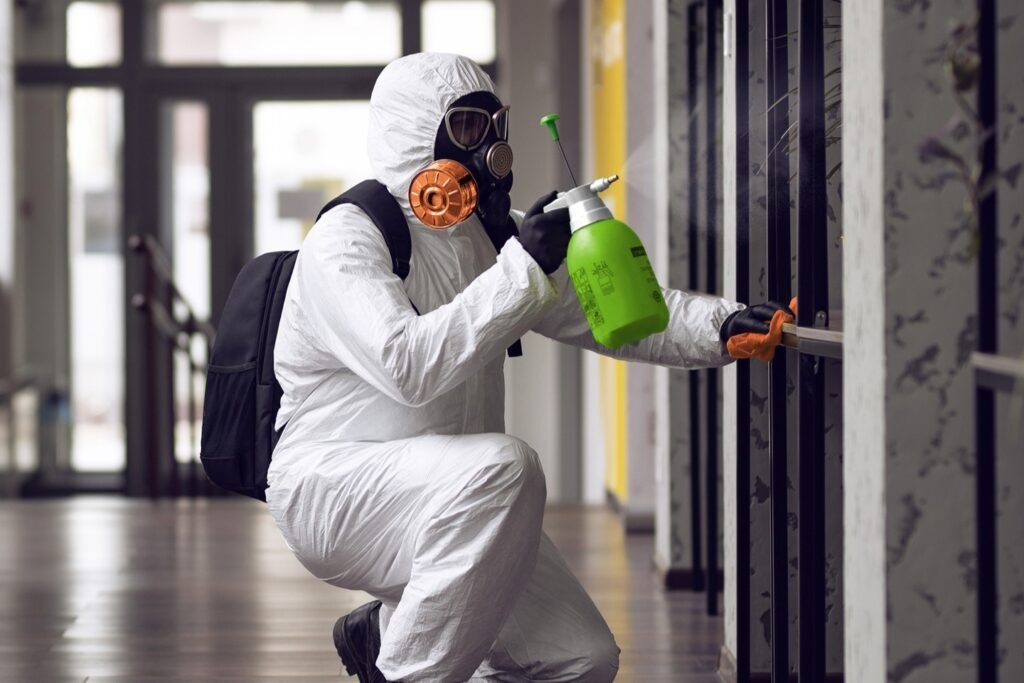
Use of PPE for all technicians
2. Mold Removal & Cleaning
HEPA vacuuming of spores
Antimicrobial treatments for affected surfaces
Removal of contaminated materials like drywall, insulation, or carpet
3. Post-Remediation Verification & Restoration
After cleanup:
Post-remediation testing confirms spore removal
Damaged areas are repaired or replaced
HVAC ducts and filtration systems are cleaned
This ensures a safe and functional commercial space.
Benefits of Hiring Certified Commercial Mold Specialists
Accurate identification of mold type and source
Safe, compliant removal methods
Protection of property and inventory
Reduced liability for employee health issues
Insurance documentation
Long-term prevention advice
Faster remediation process
Peace of mind
DIY approaches are ineffective in large-scale commercial settings due to complexity and risk.
Cost of Commercial Mold Remediation
Costs depend on property size, contamination level, and remediation complexity.
| Service | Average Cost |
|---|---|
| Inspection & Testing | $500–$1,500 |
| Small Office Remediation | $2,000–$6,000 |
| Large Commercial Spaces | $10,000–$50,000+ |
| Post-Remediation Testing | $300–$1,000 |
Early intervention reduces property damage and overall expenses.
Preventing Mold in Commercial Buildings
Preventive measures include:
Routine roof, plumbing, and HVAC inspections
Maintaining indoor humidity below 50%
Cleaning and disinfecting high-moisture areas
Installing proper ventilation and dehumidifiers
Regular employee training on spotting leaks or water intrusion
Proactive prevention protects property and employee health.
Selecting the Right Commercial Mold Remediation Company
Look for:
IICRC certification
Experience with commercial properties
Clear written estimates
Containment and safety protocols
Post-remediation verification
Positive client references
Transparency and compliance are essential in commercial remediation.
Environmental & Industry Standards for Commercial Mold
Commercial remediation follows strict EPA and IICRC guidelines. Technicians use:
Personal protective equipment
HEPA filtration
Safe containment and disposal procedures
This ensures both worker safety and regulatory compliance. Learn more here: https://www.epa.gov/mold
Frequently Asked Questions
1. How long does commercial mold remediation take?
Depending on size and contamination, projects can range from a few days to several weeks.
2. Can employees remain in the building during remediation?
Often not, especially in large-scale cases or when containment is required.
3. Does insurance cover commercial mold removal?
Coverage depends on the cause and policy. Sudden water damage is often covered.
4. How can I prevent mold in my office?
Maintain HVAC systems, repair leaks promptly, and monitor indoor humidity.
5. What areas of commercial properties are most at risk?
Basements, restrooms, kitchens, attics, and HVAC systems.
6. Is post-remediation testing necessary?
Yes. It ensures all spores have been removed and the building is safe for occupancy.
Conclusion
For businesses in Brookhaven, Doraville, Roswell, Sandy Springs, or Dunwoody, commercial mold remediation services are essential for protecting property, employees, and clients. Mold can damage structural materials, impact indoor air quality, and create liability risks.
Certified professionals provide thorough inspections, safe removal, and long-term prevention strategies. Early action reduces costs and ensures a safe, productive work environment.